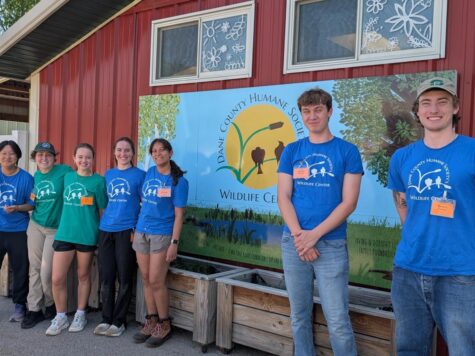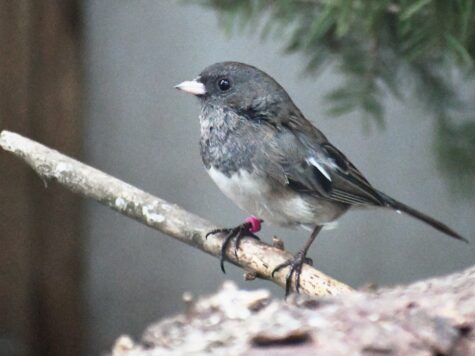
Together For Good is not just the theme of the event. When we come Together For Good, we do more than provide care, give hope, and save lives. We create a community where every animal has the chance to thrive, and every person has the power to make a difference.
Together For Good means working as a community to create an environment where we peacefully coexist with our wildlife neighbors instead of unintentionally harming them with human-made hazards.
A significant percentage of admissions to our Wildlife Center are from human causes, like car strikes, window collisions, lead toxicity, and habitat loss, to name just a few. Not all wildlife survive these dangers, but our rehabilitators, volunteers, and interns work tirelessly to give injured, sick, and orphaned wild animals a second chance.
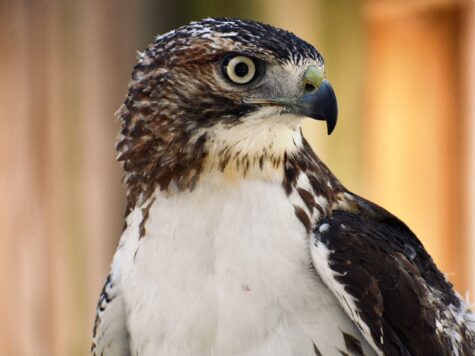
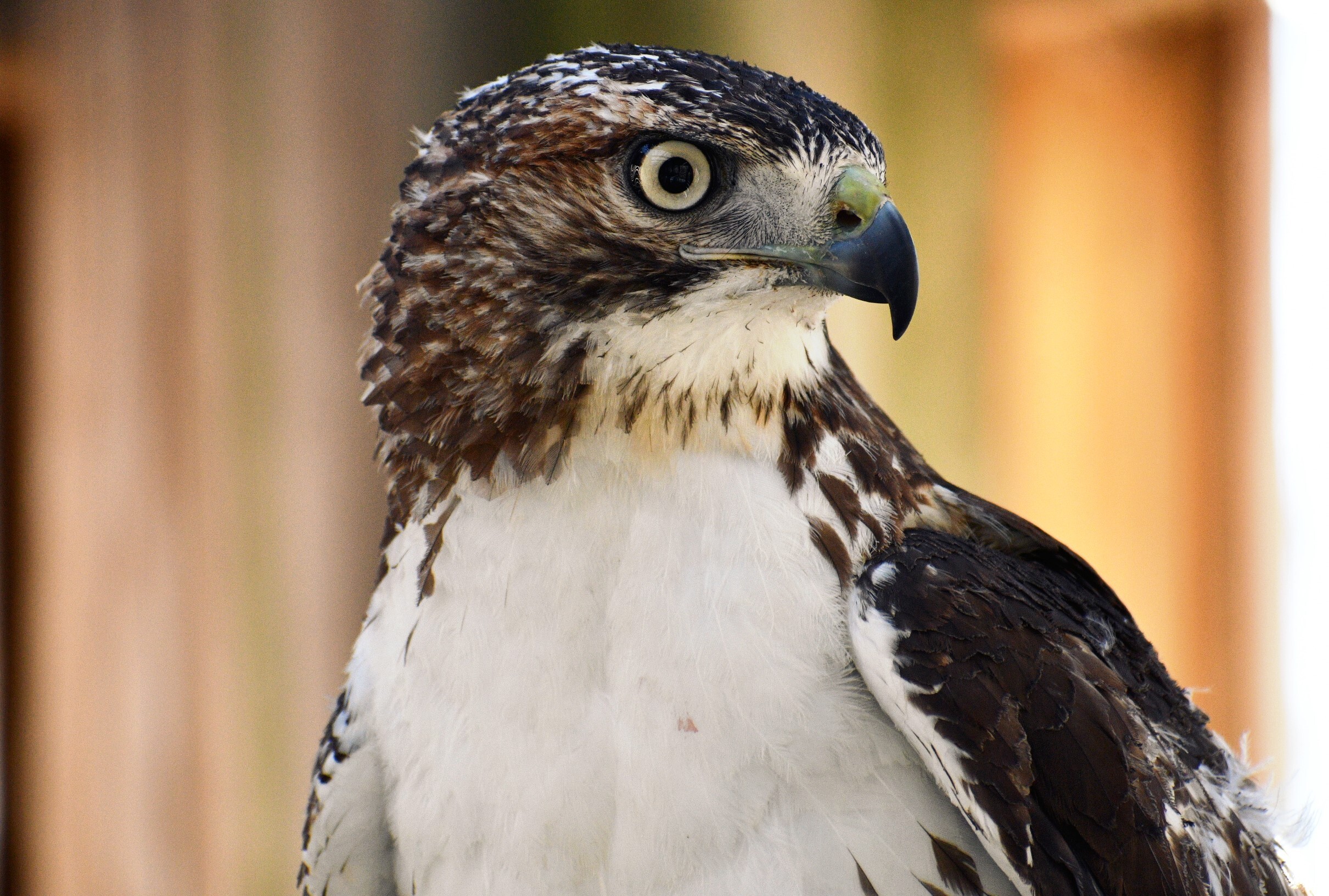
Every animal who arrives at our Wildlife Center has a story. Some just need a quick exam and release. Others require months of care, patience, and ingenuity, like this Red-tailed hawk.
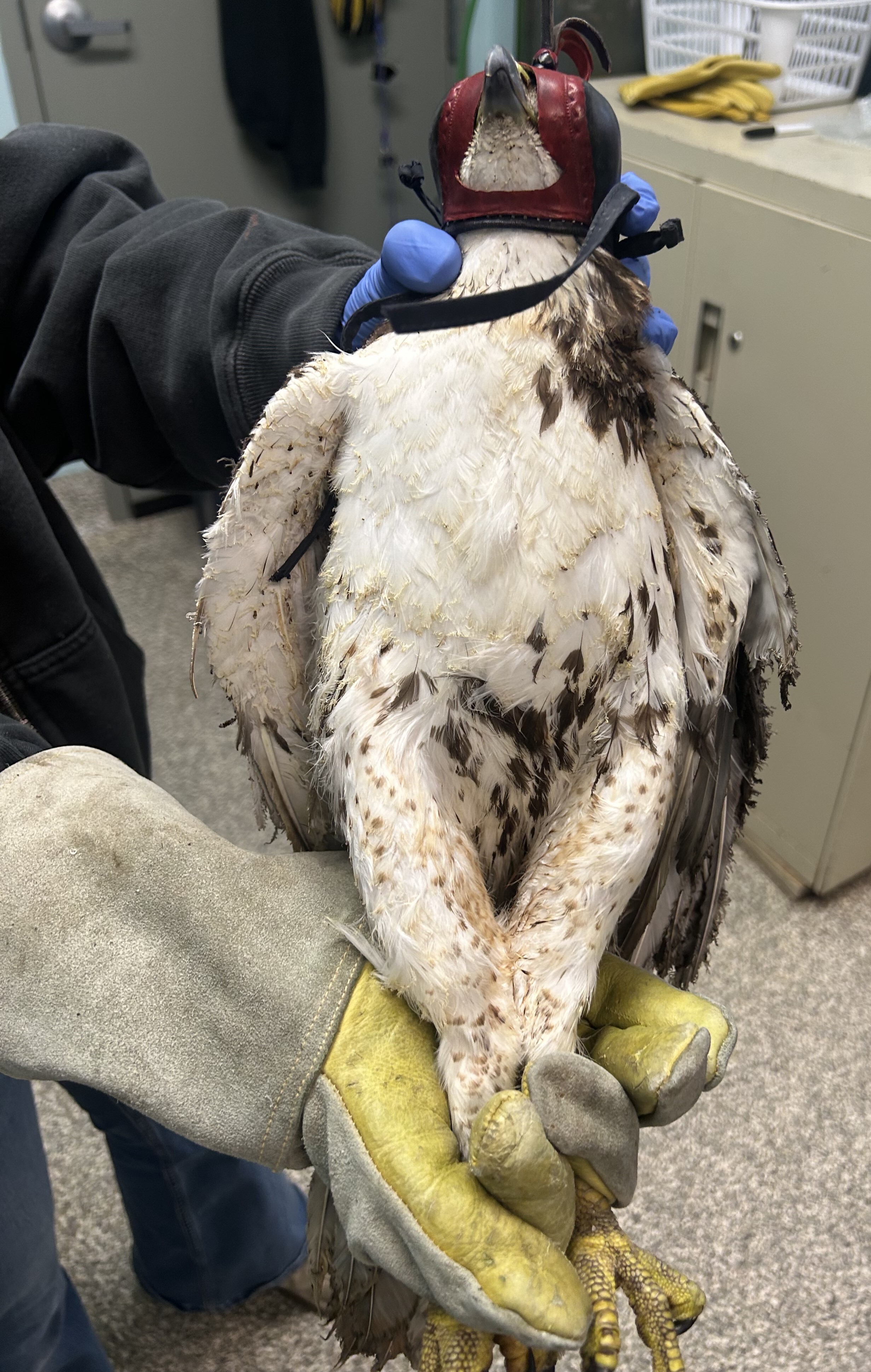
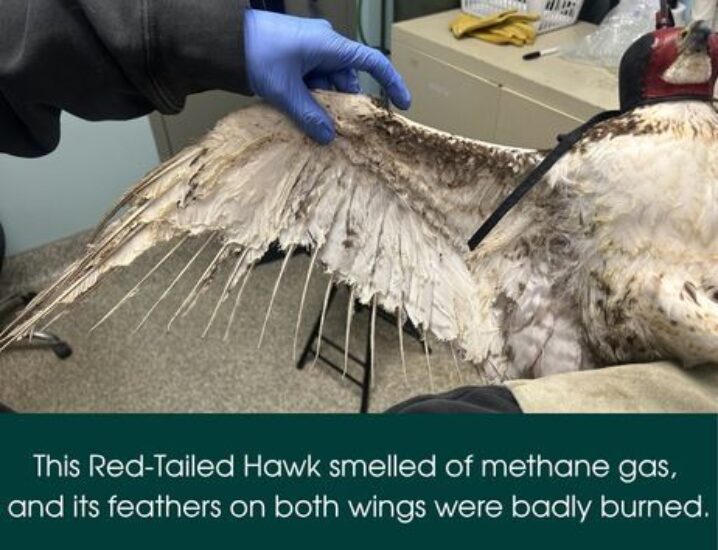
In early December of 2025, a juvenile hawk was found at the Dane County Sanitary Landfill unable to fly. When the raptor was admitted to the Wildlife Center, staff noticed the ends of the bird’s wing feathers were burned. When they examined the hawk more closely, they could smell methane on the feathers.
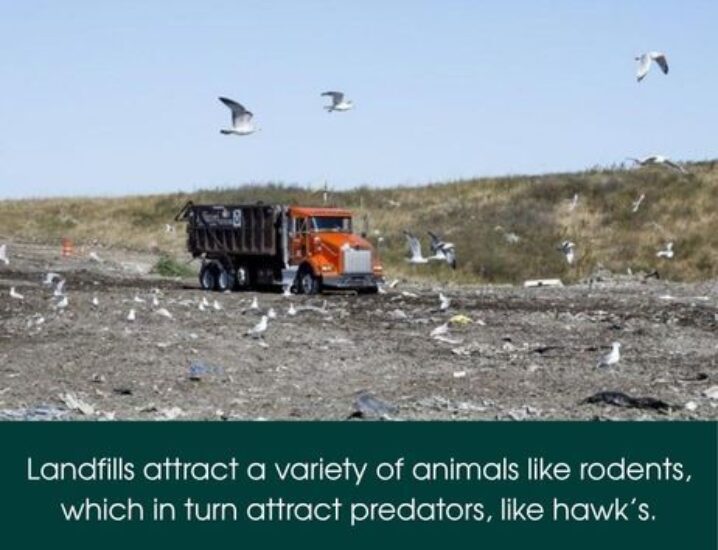
Landfills attract a variety of animals like rodents, which in turn attracts predators, like this hawk. But there is a hazard at landfills that birds cannot see: methane flames. Methane is a naturally occurring gas produced as garbage decomposes. When released through landfill exhaust chimneys, it burns with intense heat and produces exhaust that is nearly invisible. This young hawk didn’t encounter a natural predator. It encountered a human-made danger it had no way to recognize.
This young hawk was likely focused on hunting when it flew through the flames and the intense heat burned the ends of their wing feathers, leaving it unable to stay airborne.
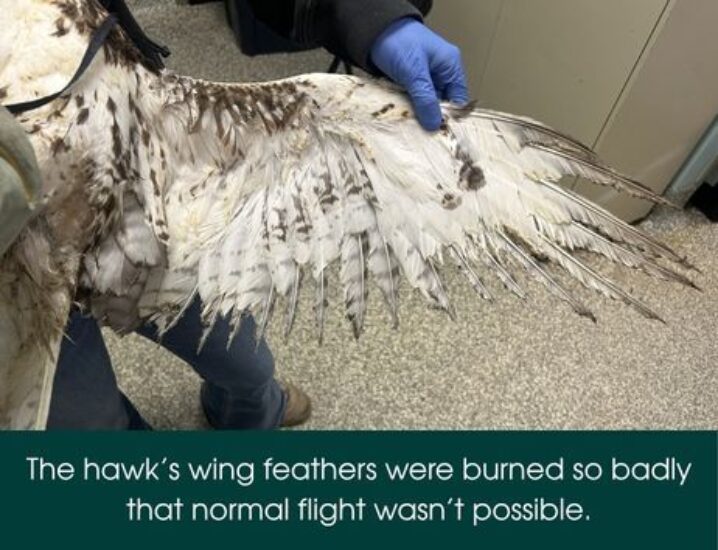
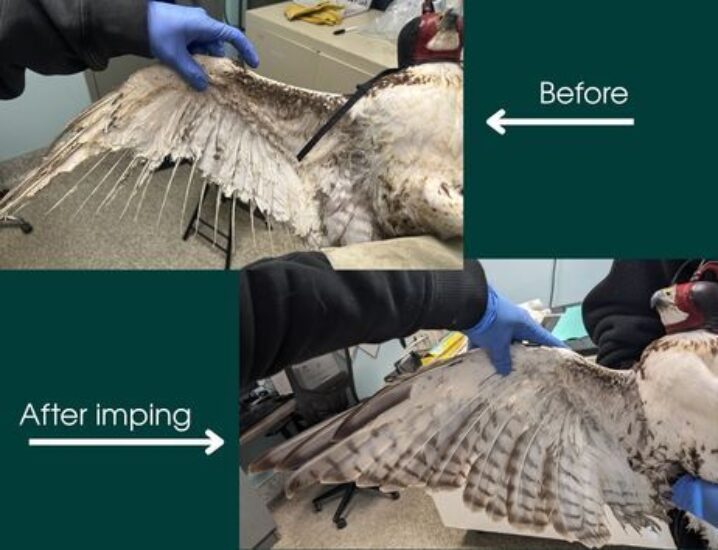
Fortunately, the hawk was found soon after they suffered the injury. Our team provided medication and food, but the hawk refused to eat for the first few days. While the bird’s body feathers and tail were singed but mostly intact, their wing feathers were badly burned. The hawk could still flutter to a nearby perch to avoid staff, but not well enough to hunt and soar.
Our wildlife rehabilitators were concerned that waiting for the raptor to naturally molt its damaged feathers would take too long. Molting is a natural process in which birds gradually shed worn feathers and grow new ones. This happens slowly so birds can continue flying, hunting, and staying warm while new feathers come in.
But this hawk’s wing feathers were burned so badly that normal flight wasn’t possible. Waiting months for those feathers to replace themselves would mean a long period where the bird couldn’t fly, hunt, or behave like a healthy hawk.
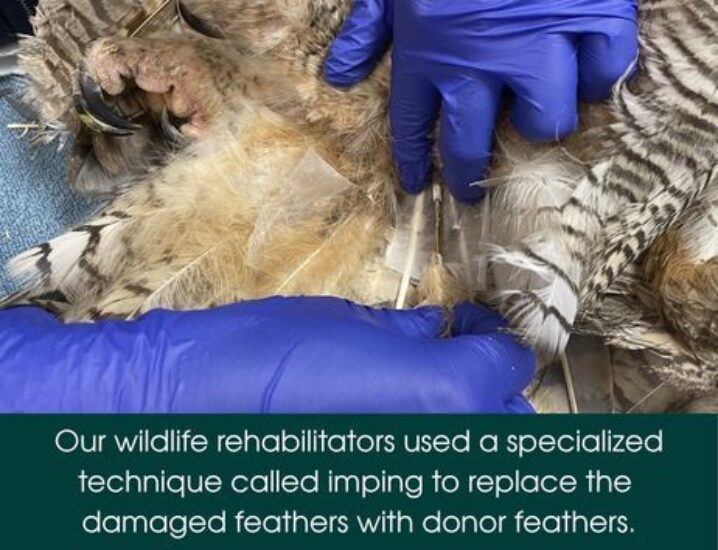
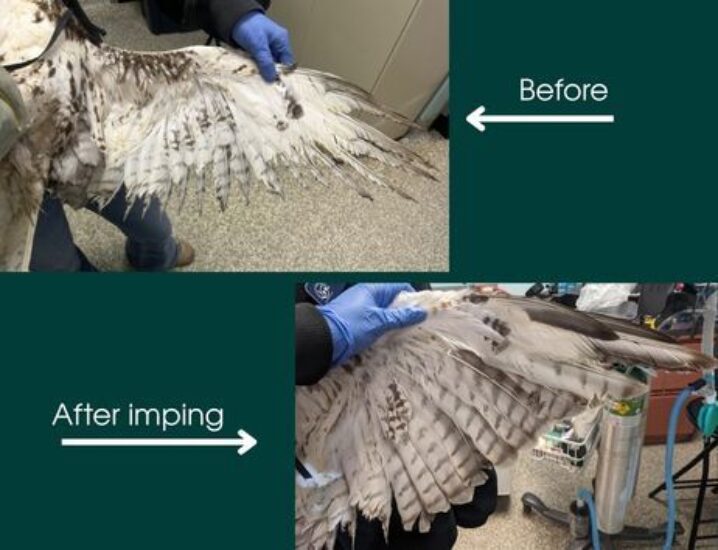
So our wildlife rehabilitators turned to a specialized technique called imping -- a process of replacing damaged feathers with donor feathers.
Imping is a major time investment. It requires finding donor feathers that match the exact size and shape of the originals, and attaching them carefully one by one with incredible precision.
A Red-tailed hawk has 10 primary and 14 secondary feathers on each wing for a total of 48 flight feathers. Our Senior Wildlife Veterinary Technician replaced 32 feathers while the hawk was under anesthesia. That’s 66 percent of their wing feathers, which is more feathers than we’ve ever replaced on one bird.
It was delicate, patient work – feather by feather – to give this hawk another chance to fly.
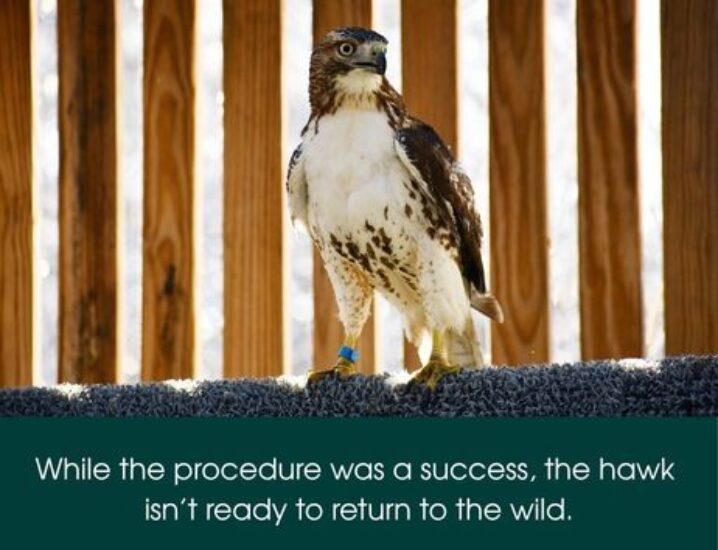
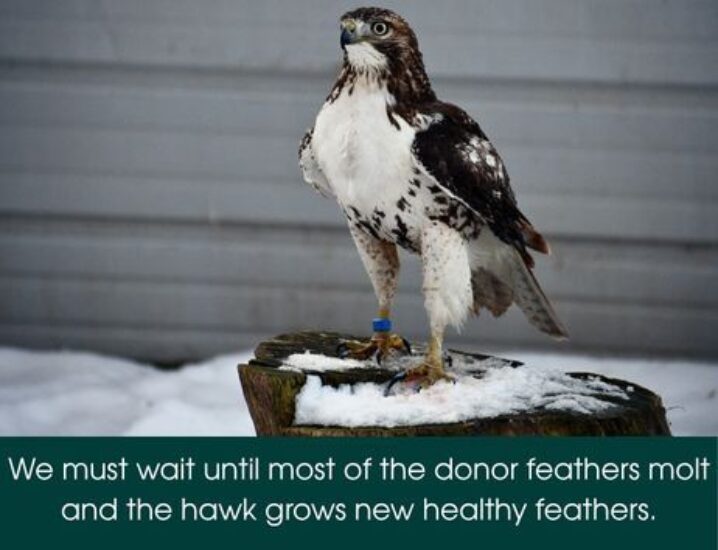
While we celebrate that this procedure was a success, the hawk isn’t ready to return to the wild. We must wait until they molt a majority of the donor feathers and grow healthy new ones, which means this bird will likely remain in rehabilitation with us until the end of 2026 at least.
In the meantime, the hawk can maintain their fitness while flying in one of our large outdoor enclosures. The imping procedure improved the hawk’s welfare allowing them to perform more natural behaviors like preening, flying, maneuvering, and evading our team as a natural predator.
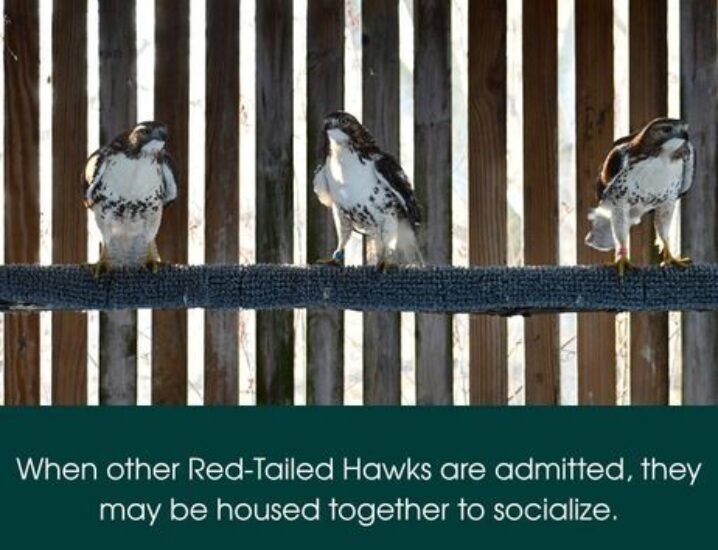
We will continue caring for this hawk, providing fresh water, LOTS of food, and a clean enclosure. When we admit other Red-tailed hawks, we may house them together so this bird can socialize with others of their species.
And when they’re ready, we’ll return this hawk to the skies so they can continue their role in the ecosystems we share.