Wisconsin has a long-standing hunting and fishing culture. These activities build community and support the state’s economy. Many people have positive experiences related to hunting and fishing’s camaraderie and traditions. Hunting and fishing—when managed appropriately—can also play a beneficial role in managing wildlife populations.
There is a darker side to these activities, however. Gut piles left by hunters are a deadly food source for wildlife scavengers. If the ammunition used contains lead, a heavy metal, wildlife can eat the remaining fragments. Fish and waterfowl can accidentally swallow lead via fishing weights left in the environment. Wildlife that exists higher in the food chain, such as eagles, vultures, otters, raccoons, and snapping turtles, can also be exposed to lead through consuming contaminated wildlife. This process is called bioaccumulation as it compounds through the trophic system.
While lead has some beneficial uses in the automotive and construction industries, it is toxic to humans and animals when ingested and can persist for hundreds of years in the environment.
How Does Lead Affect Wildlife?
Lead poses a problem when it is ingested. It breaks down in the stomach, moves to the bloodstream, and infiltrates the liver, kidneys, and bones.
- High levels of lead can lead to sudden death. Even a grain-of-rice-sized piece of lead can be enough to kill an animal the size of an eagle.
- Low levels of exposure can cause symptoms such as weakness, diarrhea, incoordination, or convulsions.
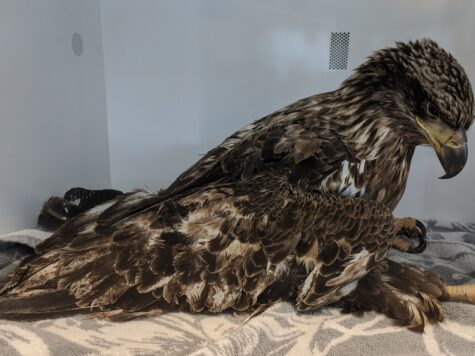
- In Wisconsin, death from lead toxicity has been documented in Bald and Golden Eagles, Common Loons, Trumpeter Swans, Turkey Vultures, waterfowl, and a Whooping Crane.
- A study of Bald and Golden Eagles across the U.S. found that almost half of them suffered from chronic lead poisoning, leading to decreased population growth.
- In the United States, as many as 20 million birds and other animals die each year from lead ammunition poisoning.
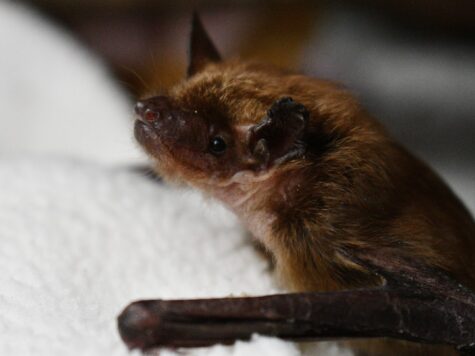
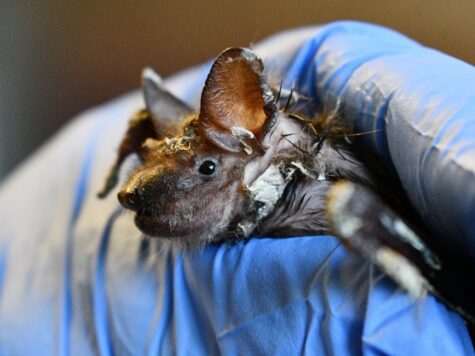
- Worldwide, over 500 published scientific studies have documented 134 species of wildlife negatively affected by lead ammunition. These include animals such as Bald Eagles, Red Foxes, Turkey Vultures, Virginia Opossums, raccoons, rodents, and even songbirds.
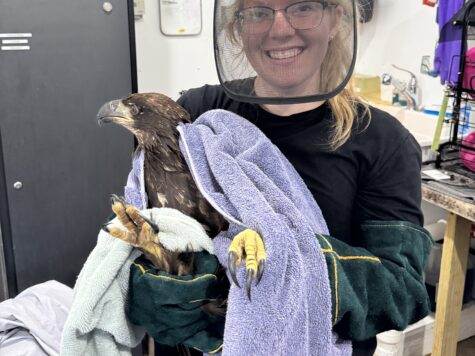
Since Fall 2025, Dane County Humane Society’s Wildlife Center has admitted 25 patients with confirmed lead toxicity, also referred to as lead poisoning.
Lead toxicity is also a concern for humans! Lead is a soft metal that can break apart easily when used in hunting. Lead fragments can remain in wild game meat and be inadvertently ingested. A 2009 published scientific study looked at the prevalence of lead bullet fragments in packaged venison. Thirty White-tailed Deer were harvested using lead bullets and then processed by 30 different butchers. A random selection of 324 packages of ground venison and whole cuts were X-rayed, which found 34% contained metal fragments determined to be 93% lead and 7% copper.
Lead toxicity for humans and animals is preventable. Below are some steps to eliminate it:
- Hunters and fishers can use non-toxic ammunition or tackle with materials such as tungsten, steel, bismuth, glass, ceramic, and tin. A national group, Sporting Lead-Free, is urging hunters to use solid copper bullets.
- Support legislation that would reduce use of lead in hunting and fishing, and encourage the use of copper or other alternatives. In 1991, the U.S. Fish and Wildlife Service proposed a ban on lead shot use in waterfowl hunting. This was an important step in the process of phasing out the use of lead.
- Help to spread information about dangers of lead poisoning to wildlife and humans.
- Properly dispose of lead ammunition at tackle shops and/or hazardous waste facilities.
-- -- Jean Krieg is a Wildlife Center social media volunteer. The story was edited by Haley Heath, 2026 Wildlife Public Relations Intern.
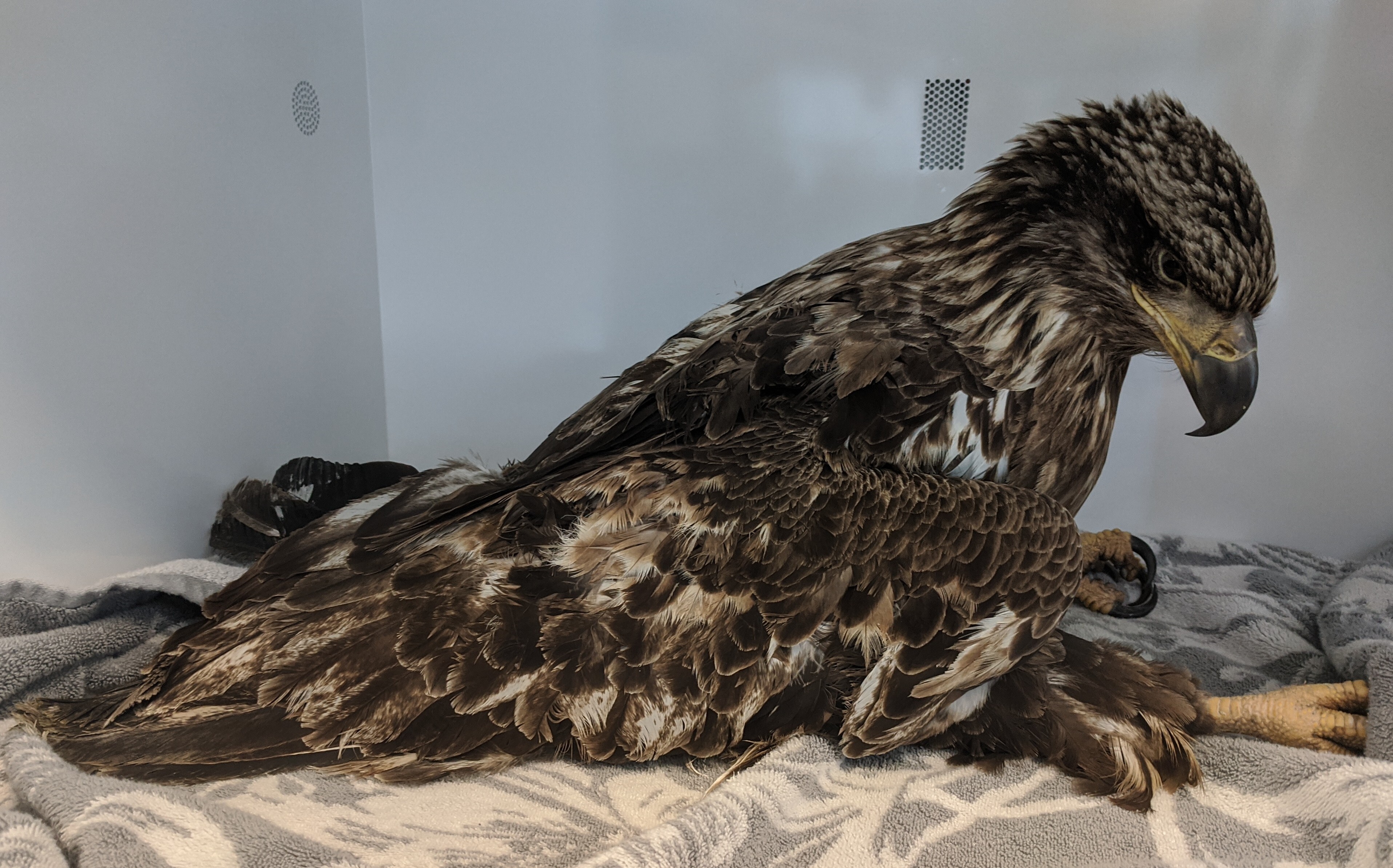
Top photo: One of many Bald Eagles admitted to DCHS's Wildlife Center suffering from lead toxicity.
References:
https://www.sportingleadfree.org/
https://biologicaldiversity.org/campaigns/get_the_lead_out/index.html
https://www.sierraclub.org/wisconsin/blog/2025/09/get-lead-out-toolkit