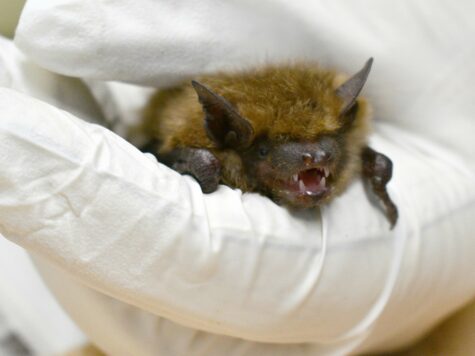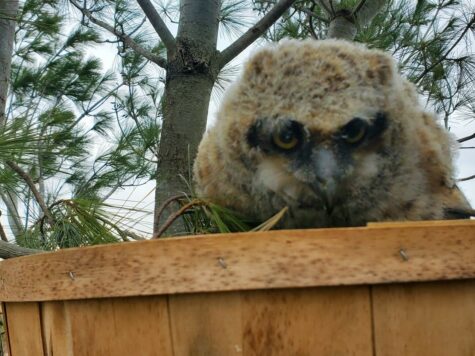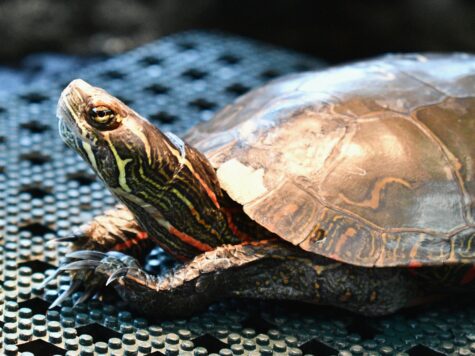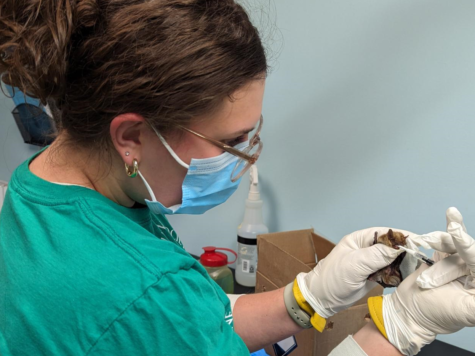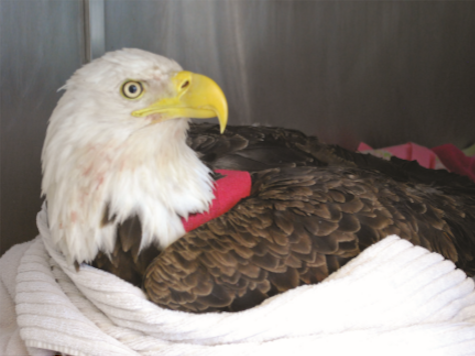
Dane County Humane Society’s Wildlife Center helped nearly 4,000 wild animals in 2019, but we didn't do it alone. Our community helps by supporting the Wildlife Center in many ways. Want to learn how you can do more?
Top 10 Tips for Helping Wildlife:
1. Resist the urge to rescue baby wild animals until you talk to a licensed wildlife rehabilitator. It is important to leave wild animals with their parent(s) whenever possible to give them the best chance of survival. For more tips on what to look for, visit our Wildlife Center's orphaned wildlife resources.
2. Keep your bird feeder clean. Feeders and baths are places where many birds congregate and they can be responsible for spreading disease if not regularly cleaned.
3. Get the lead out! Choose lead-free ammunition and fishing tackle to prevent toxicity in wildlife.
4. Keep your cat indoors, contained or supervised when outdoors. This is much safer for your cat, and prevents injury to birds and other wild animals.
5. “Nuisance” wildlife problems? Focus on prevention! Remove outdoor food and seal off any dark, quiet spaces that wildlife may choose as a den site before it becomes a problem.
6. Do not live trap and relocate wildlife. Often mistaken as a humane option, it can separates mom and babies, and leaves adults struggling to survive in a new location.
7. Never use poison for rodent control. Rodenticides not only kill rodents, but also can be deadly to any animal that eats the sick or dead rodent.
8. Prevent window collisions. There are a variety of simple steps you can take to prevent birds from flying into your windows.
9. Go natural. Eliminate the use of pesticides and incorporate native plants into your yard to attract a variety of pollinators, birds and other wildlife.
10. Visit the Wildlife Center's webpage if you have questions about any of the above tips!
Your support of DCHS provides thousands of animals a safe place to rest and recover each year. Please consider making a gift today to continue helping people help animals, no matter what tomorrow might bring. Don't forget - your gift can make DOUBLE the impact when you give by June 30, thanks to a $10,000 matching gift challenge from the Werndli Charitable Trust.